What details should you share with an emergency locksmith before they arrive?
Speed starts with what you say on the phone
When you are locked out of your car or standing in the cold because a door lock has jammed, every minute feels longer than it is. The fastest way to shorten that wait is to give the locksmith the right information from the start. An emergency locksmith needs to know your exact location, the type of lock or locking mechanism involved, whether a key is broken inside the lock, and the kind of property or vehicle you need access to. With those details, the technician can bring the correct tools and arrive prepared, which often cuts response time by a noticeable margin.
Your location and how to reach you
The first thing any mobile locksmith will ask for is the address. Street number and name are essential, but a cross street or a landmark can help if the property is hard to find. Apartment numbers, suite letters, or gate codes matter just as much. If you are calling from a parking lot or a commercial complex, describe the building or row of shops so the driver can spot you quickly. A clear phone number that you will answer is equally important in case the technician needs to confirm a detail or guide you through a simple check while they are on the way.
Type of lock and locking mechanism
Different locks need different tools and techniques. A standard deadbolt on a residential door is a straightforward job, but a high-security lock with a restricted keyway or a smart lock that runs on electronics requires specialised knowledge. If you can tell the dispatcher what brand or model the lock is, or even describe its appearance - a keypad, a thumb-turn, a rim cylinder - the locksmith can prepare accordingly. For commercial properties, panic bars, mortise locks, and electromagnetic locks each have their own quirks. The more specific you are, the less guesswork the technician has to do on arrival.

Whether a key is broken or stuck
A broken key inside the lock changes the approach entirely. Instead of simply picking the lock, the locksmith needs to extract the broken piece first. Let them know if a key snapped off, if the key turns but the bolt does not move, or if the key is stuck and will not go in or come out. That information tells the technician to bring a broken-key extractor and possibly a replacement blank to cut a new key on site. It also saves time because they will not try a standard pick-and-turn method that would not work.
Vehicle make, model, and year
Automotive lockouts are common, and cars vary widely in how their locking systems work. A 1990s sedan can often be opened with a simple wedge and rod, but a modern car with a transponder key, push-button start, or a keyless entry system requires electronic diagnostic tools. Providing the make, model, and year of the vehicle allows the locksmith to bring the correct programming gear and any special tools needed to avoid damaging the door panel or the ignition. If you know whether the car has a traditional key or a fob, mention that too.
Whether the lockout is residential, commercial, or automotive
Emergency locksmiths often carry equipment for all three categories, but the priority and the tool kit can differ. A residential lockout usually means re-entering a home, which is a straightforward opening job. A commercial lockout may involve a high-security system with a master key or an access control panel, so the technician needs to know about any alarm or interlock system that could trip. An automotive lockout may require programming a new key or fob in addition to opening the door. Being clear about the setting helps the locksmith load the right gear before heading out.
Time of day and urgency
After-hours service is a normal part of the trade, but letting the dispatcher know that the call is urgent - for example, a child locked in a car or a vulnerable person locked out in extreme weather - can help them prioritise the call. It also sets expectations about response time. A technician who knows the situation is time-sensitive will drive directly to you rather than making another stop first. That said, honesty is best; exaggerating urgency can lead to disappointment if another caller is genuinely in a worse situation.
Identification and proof of ownership
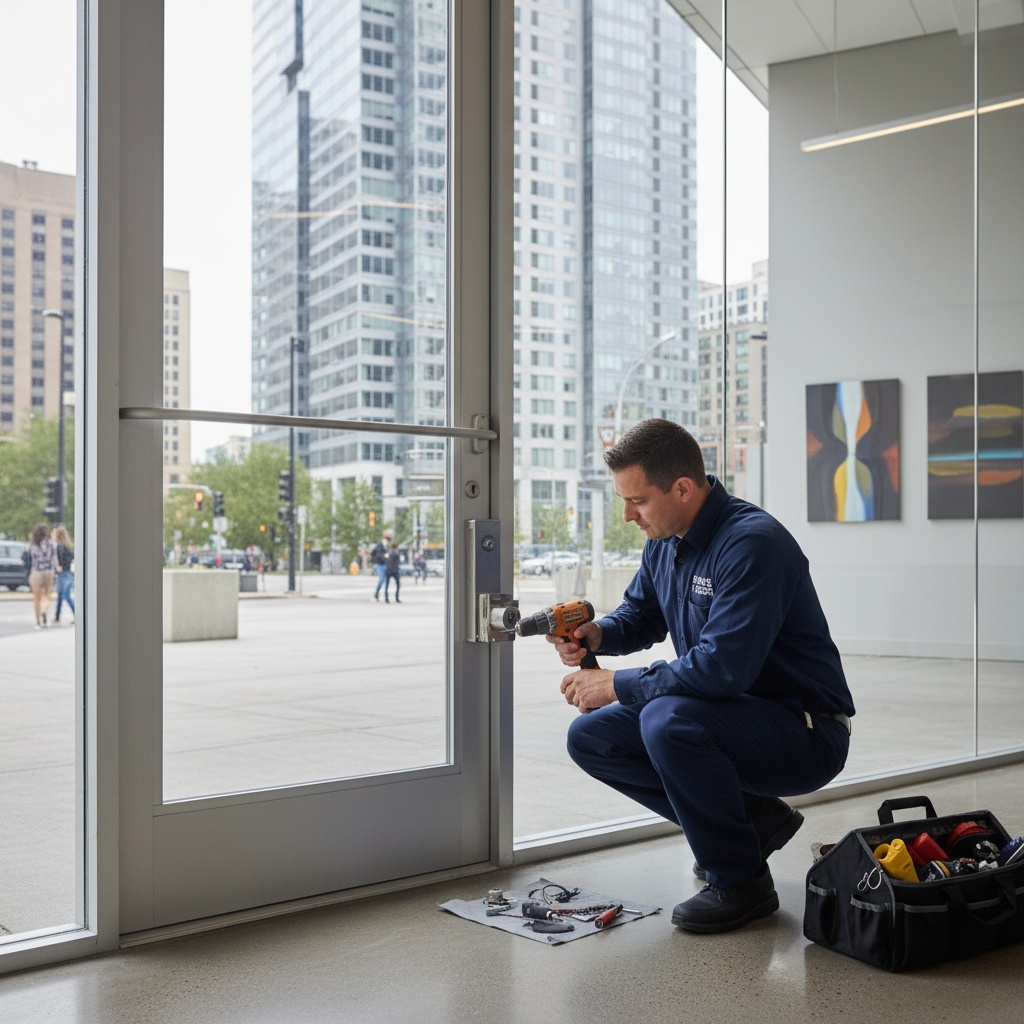
Most emergency locksmiths will ask for some form of identification to confirm that you have the right to access the property or vehicle. A driver's licence with the same address as the lockout location is standard. For rental properties, a lease agreement or a note from the landlord can work. For a car, the registration or proof of insurance that shows your name may be needed. Having these documents ready - even if they are inside the locked car - can be a hurdle. If you can show a photo of the documents on your phone or have a digital copy, that often satisfies the requirement. The locksmith wants to avoid opening the wrong property, and your cooperation helps everyone.
Spare key location and backup plans
Before the technician arrives, it is worth checking whether you have a spare key with a neighbour, a family member, or in a lockbox. If you do, the call could be cancelled altogether. If the spare is at a friend's house but you cannot reach them quickly, the locksmith can still come but may only need to open the door rather than make a new key. Letting the dispatcher know that a spare exists elsewhere can affect the tools they bring and the time they expect to spend.
Putting it all together
A call to an emergency locksmith is a short conversation that can save a lot of time if you know what to say. The location, the type of lock, the vehicle details, and any broken-key issues are the core pieces. LocksmithWire advises customers to have these details ready before dialing, because it directly affects how quickly a technician can respond and resolve the problem. The less time spent asking questions when the van arrives, the sooner you are back inside.
One final tip: if you can, take a photo of the lock or the key slot with your phone. A picture can convey more than a description, especially if the lock is an unusual shape or has a particular brand name on it. A mobile locksmith who sees the setup before arriving can confirm the tool list and avoid a wasted trip. The same goes for a broken key - a close-up showing the break point helps the technician choose the right extraction tool.
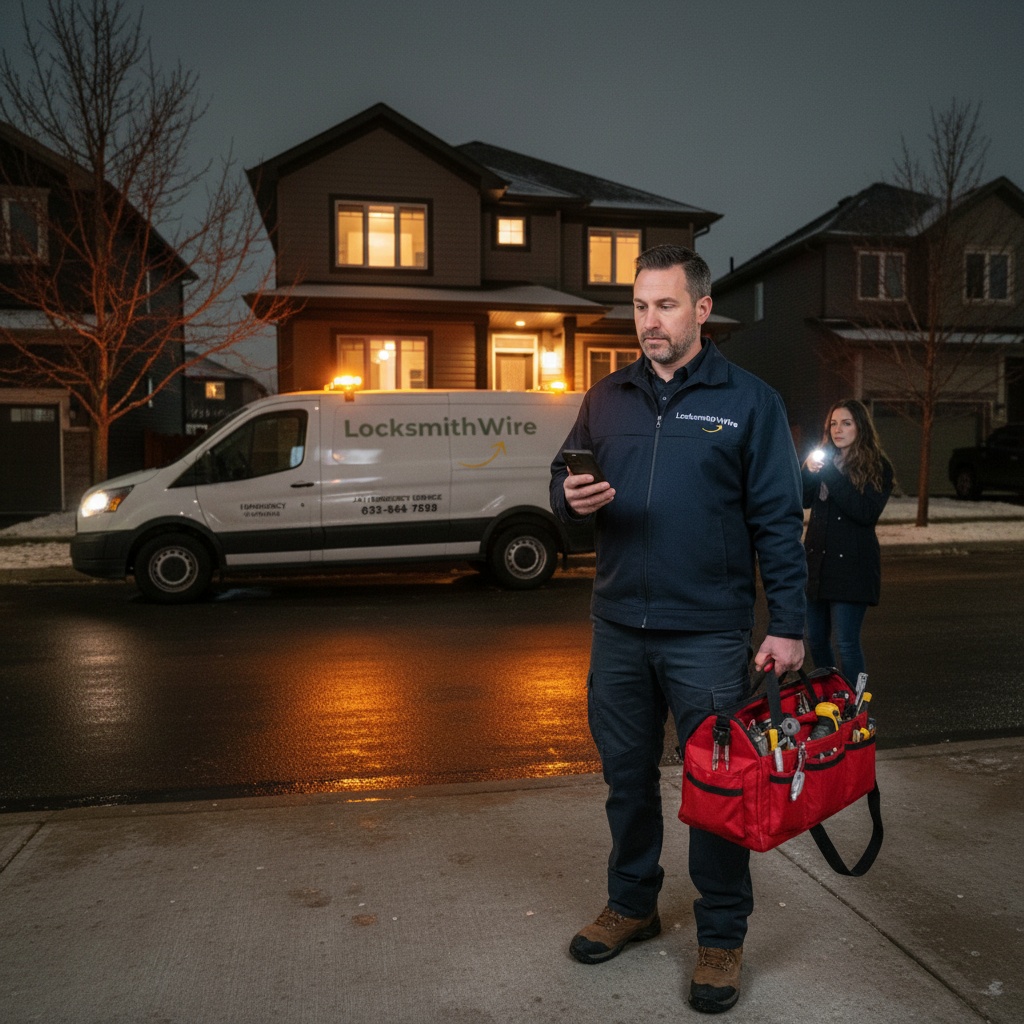
An emergency call is rarely convenient, but giving clear, accurate information turns a stressful situation into a manageable one. The technician arrives ready, the job gets done faster, and you are not left waiting any longer than necessary. Every detail you provide is a step towards that outcome.